Integrated Thinking
To combine your advertising efforts across Google Ads platforms and Meta into a cohesive strategy, our full range of PPC services ensures every channel works together to maximise performance. This approach involves centralising your key performance indicators (KPIs) and metrics to monitor, analyse, and optimise your campaigns effectively. Well that’s power and integrated thinking Here’s how you can structure this:
We have created a comprehensive advertising package with an example budget of £5,000 that includes various Google Ads platforms and Meta for remarketing, which involves careful planning and strategic allocation of resources. Here’s a simplified breakdown of how you might consider distributing the budget across different channels to optimise your results. Note that these are broad estimations and the actual allocation should be adjusted based on performance data, industry benchmarks, and the specific goals of your campaigns:
Google Search Ads:
Let’s calculate the number of clicks you can expect, the total revenue generated from the ads, and the profit.
- Budget for Google Search Ads: £1,000
- Cost Per Click (CPC): £0.50
- Click-Through Rate (CTR): 10%
So, with a budget of £1,000, at £0.50 per click and a CTR of 10%, you can expect around 2,000 clicks and your ads will be shown 20,000 times.
Google Shopping Ads:
Let’s calculate the number of clicks you can expect, the total revenue generated from the ads, and the profit.
- Budget for Google Shopping Ads: £3,000
- Cost Per Click (CPC): £0.25
- Return on Ad Spend (ROAS): 700%
So, with a budget of £3,000, at a CPC of £0.25, and a return of 700% ROAS, you can expect around 12,000 clicks, generate a total revenue of £21,000, and make a profit of £18,000.
Google Remarketing
Let’s calculate the number of clicks and visibility from the ads for a remarketing campaign or wider Display.
- Budget for Google Shopping Ads: £250
- CPM = £0.80 per thousand impressions
So, with a budget of £250 and a CPM of £0.80, you can expect around 312,500 impressions for your Google Remarketing campaign.
Microsoft Ads:
Let’s calculate the number of reach, frequency and clicks generated from the ads from a budget of £150
- Budget for Meta Remarketing Ads: £150
- Cost Per Click (CPC): £0.56
- ROAS of 900%
So, for a brand defence campaign with a budget of £150, a CPC of £0.56, and a ROAS of 900%, you can expect around 268 clicks, generate a total revenue of £1,350, and make a profit of £1,200.
Meta Remarketing:
Let’s calculate the number of reach, frequency and clicks generated from the ads from a budget of £250
- Budget for Meta Remarketing Ads: £250
- Cost Per Click (CPC): £0.35
So, with a budget of £250 and a CPC of £0.35, you can expect around 714 clicks.
Meta Awareness Top of the funnel
Let’s calculate the number of reach, frequency and clicks generated from the ads from a budget of £250
- Brand Awareness: £350
- Cost Per Click (CPC): £0.35
So, with a budget of £350 and a CPC of £0.44, you can expect around 795 clicks.
Take a Free Strategic PPC Review
Our specialised Paid Media team excels at delivering measurable Google ads results, as demonstrated in our PPC case studies. On average, we can save you up to 30% in costs or increase your Return on Ad Spend (ROAS). We meticulously analyse your ads, uncovering untapped potential to enhance your digital presence.
We provide an honest picture of your Google Ads account, including e-commerce, Performance Max through to Search, Quality Score and Display, and Audience data.
We will strategic analyise your Quality Score in your campaign’s success, we focus on optimising this metric, which reflects the relevance and quality of your ads, keywords, and landing pages. By enhancing your Quality Score, we aim to improve ad rankings and reduce costs. Our team scrutinises click-through rates, keyword relevance, auidence data, strategic setup and the user experience on landing pages, ensuring each element contributes positively to your overall score.
At Metrichub, we understand that sometimes numbers and data alone may not convey the full picture. That’s why we go the extra mile by presenting our findings through a set of video presentations.
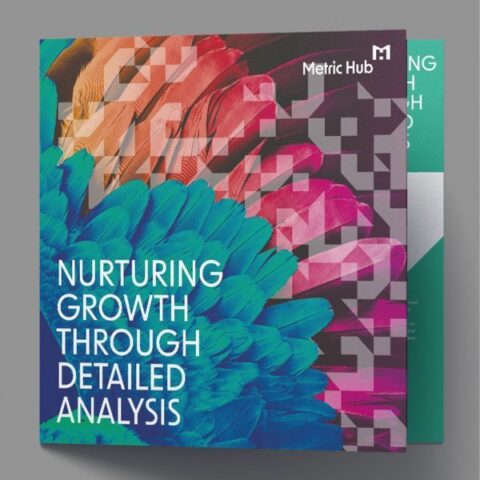

Connecting the Dots: Building a Unified Journey Across User Touchpoints
Connecting the Dots: Building a Unified Journey Across User Touchpoints” emphasises the importance of creating a cohesive and integrated user experience across all channels and platforms. This approach involves understanding and mapping the customer’s journey, from the initial awareness stage through to purchase and beyond, ensuring that every interaction is consistent, personalised, and aligned with the overall brand strategy. By effectively connecting these touchpoints, businesses can deliver a seamless experience that not only meets but exceeds customer expectations, fostering loyalty, enhancing engagement, and driving conversions.
Leveraging the Ecosystem of Digital Markeitng
Leveraging the strengths of Google Search, Google Shopping, Google Marketing, and Meta for awareness campaigns offers a multifaceted approach to digital marketing. Google Search connects you with users who have a high intent, actively seeking what you offer, while providing you with detailed analytics to fine-tune your strategies. Google Shopping takes this a step further by placing your products front and center in search results, directly linking potential customers with what they need, streamlining their path to purchase.
Google Marketing expands your reach, integrating a suite of tools to engage users across various platforms, from search to video, offering rich insights into audience behaviour. This comprehensive approach ensures that your message is consistent, targeted, and impactful across all user interactions.
Meta’s platforms open doors to a vast and engaged audience. The platforms’ advanced targeting capabilities, coupled with various rich media formats, allow for highly engaging, visually appealing campaigns. The social nature of Meta encourages interactions, shares, and discussions, amplifying your message organically and fostering a sense of community around your brand.
These platforms provide a robust framework for building awareness, driving engagement, nurturing customer relationships and, most important to you reading this content, growth.

Frequently asked questions about Metric Hub PPC Management
A type of searching that combines results from various sources such as images, videos, news, and web pages into a single, comprehensive set of search results. This approach aims to improve the user’s experience by giving them a complete view of relevant information and directly addressing their intent by providing content in various forms, all accessible from a single search query. Integrated search simplifies information discovery by providing a varied and context-rich set of results. It also utilises advanced features, such as rich snippets and knowledge graphs to provide a more interactive and enlightening searching experience.
Tracking and measuring results in integrated search involves using analytics tools to monitor various metrics across different channels and platforms. Key performance indicators (KPIs) like click-through rates, conversion rates, engagement levels, and ROI are assessed to understand the effectiveness of each component. By analysing this data, marketers can gain insights into user behaviour, campaign performance, and the overall impact of their integrated search strategy, enabling them to make data-driven decisions and optimise their approach for better results and a more cohesive user experience.
You’ll always have control over your budget, setting limits on how much you want to spend on your campaigns daily or over a certain period. We’ll also manage your costs effectively, ensuring that you don’t exceed your budget, while optimising your ad spend for the best possible return on investment.


